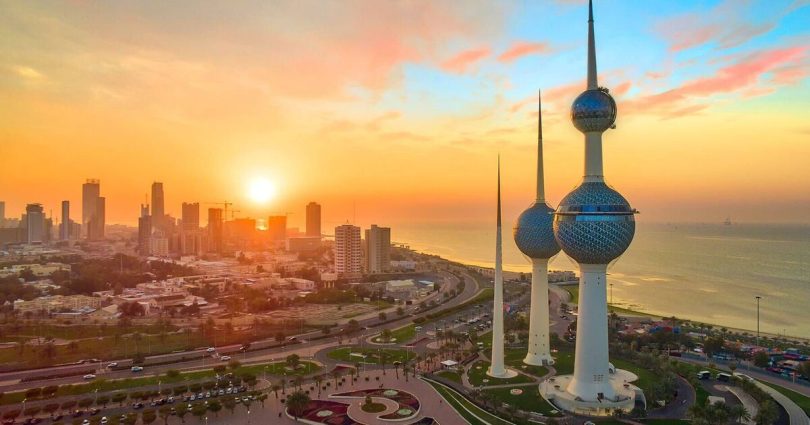

It’s possible to get to the hottest city in the world for £78 this month.
Kuwait City is, by all measures, ferociously hot. On July 21, the mercury reached 53.9C in Mitribah, which is near to the Capital. That temperature was verified by the World Meteorological Organization as the highest ever recorded in Asia.
Given how dangerous such high temperatures can be, it’s advisable to visit Kuwait in the winter or spring months, rather than the summer. In January, the coldest time of the year, the thermometer rarely rises much higher than 20 °C, while staying in the balmy mid-teens.
If escaping the UK’s frosty shores for a spot of Kuwaiti sunshine appeals, then you’re in luck. Flight prices are relatively low at this time of the year. Skyscanner lists flights from London for £78 return this January, with services from Bristol, Birmingham and Manchester coming in at under £100.
Waleed Alkhamees has lived his whole life in Kuwait City – a destination the tour guide describes as one that “no one ever moves away from”. Yet this Middle Eastern metropolis holds the dubious distinction of being the planet’s most scorching urban centre.
Climate experts are now sounding the alarm that Kuwait is warming at an accelerated rate compared to the rest of the planet, with projections suggesting temperatures could surge by 5.5C (10F) by century’s end when measured against the 2000s.
When we caught up with Waleed, he told us how locals deal with the weather. “Everybody is trying to keep indoors, as everywhere in Kuwait is air-conditioned. Most of the locals escape from the heat and go outside Kuwait during the summer. Businesses close down. By law you can’t work outdoors from 10am to 5pm, so the workers work from midnight until the morning.”
Waleed has observed the average temperatures steadily rising each year, with every summer feeling slightly hotter. While high temperatures are expected in this largely concrete city, residents are finding themselves having to adapt more and more to cope.
The state heavily subsidises electricity, funded by vast oil reserves that also support the healthcare and education systems, keeping the tax rate at zero. This allows most of the city’s 3.3 million inhabitants to run their air conditioning units continuously.
Almost all enclosed public spaces are kept artificially cool throughout the day and night, while streets are enveloped in clouds of cooling water. A government ban on outdoor work from 10am to 5pm during the summer months aims to prevent people from succumbing to the extreme weather conditions that pose a constant threat to human health.
However, if you visit Kuwait City in the summer, you may notice that this rule is not strictly enforced. Workers, often recent immigrants, defy the heat and the ban to labour on the streets, their bodies fully covered for some protection against the relentless sun.
Waleed guides tourists around the city, showcasing attractions such as the futuristic Kuwait Towers, which tower over the city as a clear symbol of its wealth in a style reminiscent of the 1970s. The Grand Mosque and the old Souk are other major attractions.
His tour groups typically comprise around 80% Americans, with the remainder being Europeans, mirroring the presence of the substantial US military installation Camp Arifjan located in the country’s south-eastern region. Tours operate even during the scorching months of June and July, with visitors seldom venturing outside air-conditioned vehicles whilst discovering the city.
Western travellers seeking respite with a chilled beer in the evening will be disappointed in Kuwait, which maintains a rigorous and strictly enforced alcohol prohibition, even within hotels frequented by tourists. For those brave enough to trust their sun cream, the city’s beach proves particularly appealing.
It boasts an expansive, sandy coastline that ranks amongst the longest in the Middle East and offers excellent diving locations.
Despite the unrelenting heat – which forces pigeons to abandon flight during certain hours and has even decimated marine life in the coastal waters – Waleed insists his fellow citizens have no intention of departing.
“Kuwait City has gotten hotter. For years now. It is hotter and hotter every year. I am worried about global warming. It’s half a degree every couple of years. But we won’t move away. Kuwaitis never move away. There are lots of benefits in Kuwait,” he said.
“The currency is the highest currency in the world, we pay zero tax, everything is subsidised by the government, fuel cost is half that of Saudi Arabia. Medication and education is free. People, they don’t move away.”
Source link