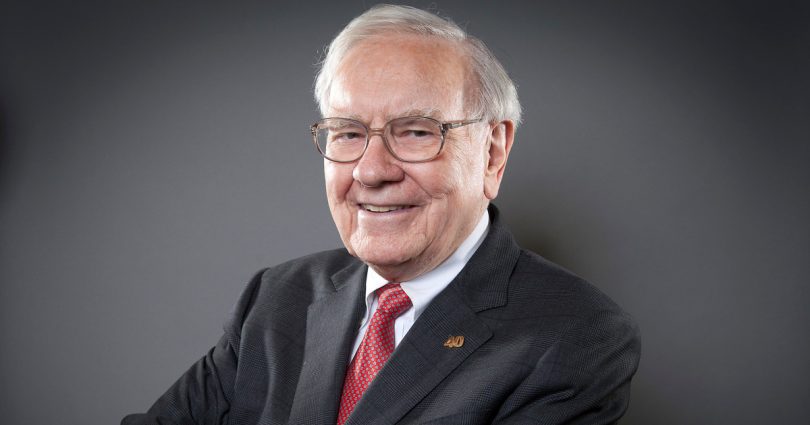

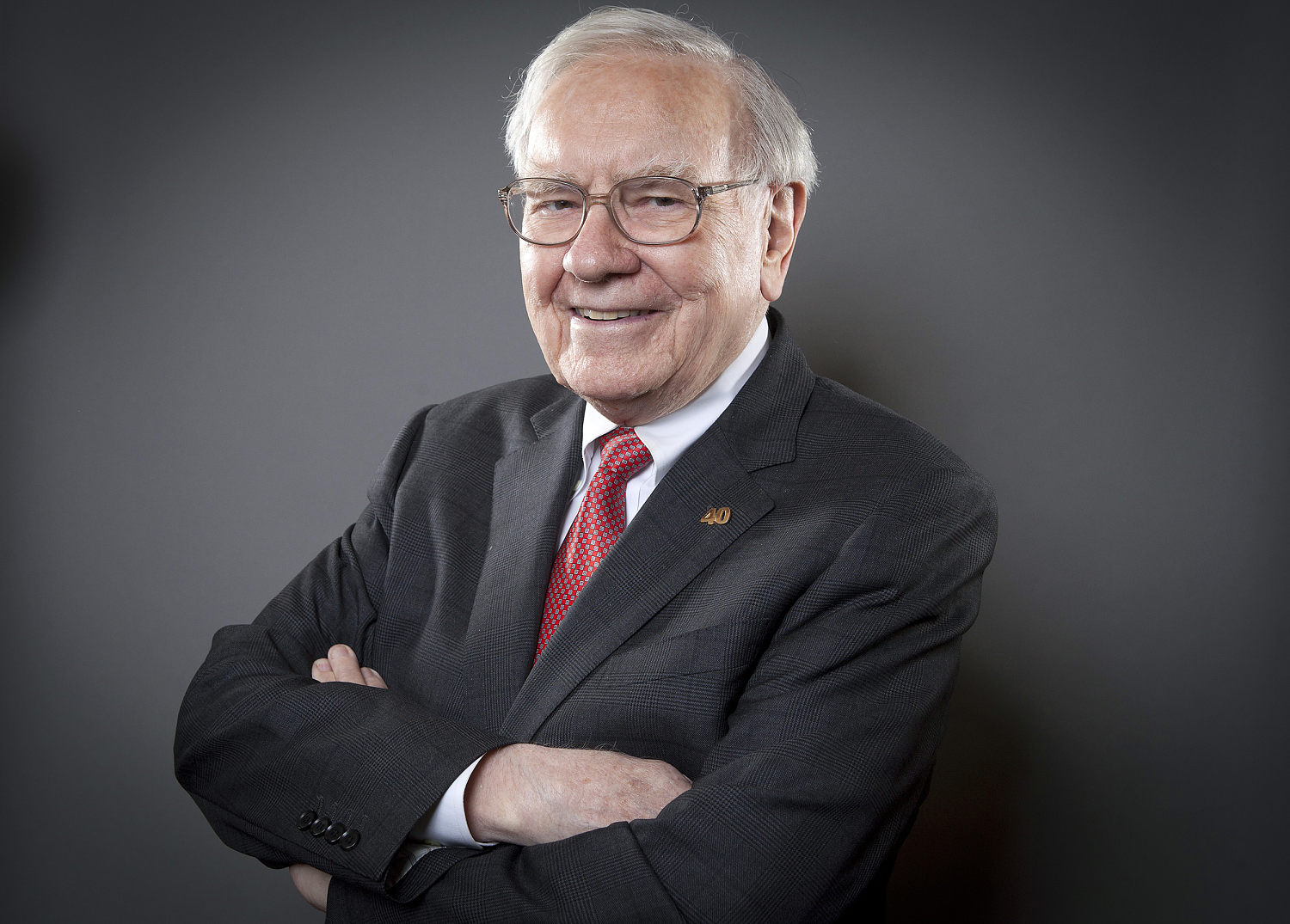
After 55 years, it’s Warren Buffett’s last day as chief executive of investing juggernaut Berkshire Hathaway.
The 95-year-old, often referred to as the “Oracle of Omaha” and the “billionaire next door,” will relinquish the title after a career that saw him turn a failing textile firm into one of the most successful asset managers in the world.
Greg Abel, the 63-year-old lesser-known CEO of Berkshire’s energy business, will take the helm of the conglomerate on Thursday. Buffett will remain its chairman.
Under Buffett’s leadership, Nebraska-based Berkshire has thrived at the intersection of Wall Street and Main Street, with investments in industries ranging from railroads and insurance to candy and ice cream.
Along the way, while living in the same house he bought for just over $30,000 in the late 1950s, he redefined investing for the American public with his folksy and practical advice, became one of the wealthiest people on Earth and dedicated much of that fortune to philanthropy.
Buffett builds an empire
It all started in 1942, when Buffett, not yet 12 years old, bought $114.75 worth of stock in natural gas company Cities Service. Buffett had saved for the purchase since the age of 6. “I had become a capitalist, and it felt good,” Buffett wrote in the 2018 edition of his famed annual shareholder letter.
By the time he was 16, his investment grew to the equivalent of about $53,000. He was a millionaire at 32 and a billionaire at 56. Buffett is now the 10th richest person in the world, according to Bloomberg Billionaires, with a fortune of $150 billion.
To Main Street, Buffett preached his principal philosophies of only investing in what you know, and that the stock market is tough to beat.
“Most investors, both institutional and individual, will find that the best way to own common stocks is through an index fund that charges minimal fees,” Buffett wrote in 1996. “Those following this path are sure to beat the net results (after fees and expenses) delivered by the great majority of investment professionals.”
Over the long run, data have supported this belief. But Buffett and Berkshire have done even better.
Since he started to use Berkshire Hathaway as his primary investment vehicle in 1964, the company’s share price has risen more than 5,500,000%. By comparison, the return for the S&P 500 over the same period is a mere 39,000%, according to a Bloomberg calculation. Berkshire ranks as the 11th most valuable company in the world with a market value of over $1 trillion.
Berkshire’s major enterprises include the BNSF railroad, insurer Geico and well-known brands such as See’s Candy, Benjamin Moore, Duracell, Fruit of the Loom, Oriental Trading, Dairy Queen and Helzberg Diamonds.
Buffett ran Berkshire alongside Charlie Munger, who appeared with him annually at the company’s famed shareholder meetings, dubbed “Woodstock for capitalists.” Buffett and Munger would answer questions for upward of three hours inside an Omaha arena.
Buffett often touted Munger, a billionaire in his own right, who died in 2023 at the age of 99, as his sounding board. “He weaned me away from the idea of buying very so-so companies at very cheap prices,” Buffett said in 2016.
Finally, a bite at the Apple
His invest-in-what-you-know philosophy was a blind spot for Buffett when it came to technology companies. Buffett and Berkshire did not invest in tech stocks in a major way until one of his lieutenants bought nearly 10 million shares of Apple stock in 2016.
Before that, Buffett was often asked about the tech giant. “I wish I had” bought Apple, Buffett told CNBC in 2012. Even though he wasn’t an Apple shareholder, Buffett said in the same interview that then-CEO of Apple, Steve Jobs, called him with a curious question: “We’ve got all this cash, Warren, what should we do with it?”
Buffett said he advised Jobs to return more money to investors through share buybacks. In 2012, Apple began issuing a dividend and started a buyback program. Berkshire and Buffett eventually became beneficiaries.
In the years since, Apple has ranked consistently as Berkshire’s top investment holding. As of Berkshire’s most recent filings, Apple shares represent more than 20% of the firm’s portfolio with a stake valued at more than $65 billion.
The rest of Berkshire’s portfolio includes household names, several close to Buffett’s heart. Berkshire’s third largest holding, valued at about $28 billion, is The Coca-Cola Company. Buffett is a renowned heavy Coke drinker. Other firms that make up more than 70% of Berkshire’s investments include American Express, Bank of America and oil major Chevron.
Buffett, preaching patience, typically doesn’t adjust those investments much — a “Rip Van Winkle slumber that has now lasted two decades,” as he termed it in his 2023 letter, referencing his American Express and Coke positions.
Crisis and charity
Crisis sometimes came calling for the “Oracle.”
Buffett gave a lifeline to companies critical to the U.S. economy during the 2008-09 financial meltdown. Executives and government officials constantly consulted the billionaire as they navigated the meltdown. The Berkshire CEO, a lender of last resort, received calls from Lehman Brothers, AIG and Goldman Sachs seeking cash infusions.
Buffett’s assistance reaped huge profits for Berkshire.
The asset manager came away at least $10 billion richer from lifelines he threw to Goldman Sachs, Bank of America, General Electric, Dow Chemical, candy maker Mars and global insurer Swiss Re during the crisis era, The Wall Street Journal calculated in 2013.
Buffett also inspired one of the most critical government programs during the crisis, when he suggested to then-Treasury Secretary Henry Paulson that the government should put money directly into the nation’s banks to stabilize the system.
The Treasury Department ended up plowing $205 billion into 707 financial institutions across the country, including all of the Wall Street titans, helping revive the economy.
Buffett hasn’t been immune to controversy, either. Berkshire invested in Wells Fargo in the late 1980s and considered it a favorite holding for years. But when multiple scandals emerged at the San Francisco-based bank, Berkshire sold out in 2021 and 2022. Buffett called the episode a “total disaster” and said the bank should have addressed its issues sooner.
Buffett’s own businesses have also drawn scrutiny. Throughout the years, Berkshire Hathaway’s housing companies have faced accusations of discrimination and making risky loans. In 2025, the Consumer Financial Protection Bureau sued a Berkshire-owned mortgage lender, accusing it of pushing buyers into unaffordable loans. The company denied the allegations.
Buffett’s philanthropy, on the other hand, may turn out to be the most enduring part of his legacy.
In 2010, Buffett launched “The Giving Pledge” with fellow billionaires Melina French Gates and Microsoft founder Bill Gates. Buffett pledged to give away all of his wealth gradually to philanthropic causes, including the Gates Foundation. Since 2010, more than 250 other wealthy people have also signed on.
In June, Buffett announced his latest philanthropic donations, bringing his total benefactions to more than $60 billion.
Most of Buffett’s donations go to foundations run by the Gates and Buffett’s own children for causes ranging from food security to global health issues. Buffett also has a charity named for his late wife, Susan Thompson Buffett, that provides college scholarships to students in their home state of Nebraska.
Speaking on NBC’s “TODAY” in 2013, Buffett said “money does me no good at all, has no utility to me.”
But “it can have enormous utility to people around the world,” he said.
Source link