
The price of oil jumped more than 7% on Thursday, as the International Energy Agency said the U.S.-Israel war on Iran was “creating the largest supply disruption in the history of the global oil market.”
Iran’s new Supreme Leader also said on Thursday morning that the Strait of Hormuz, a critical transit point for oil tankers, should be shut, according to state TV.
Following those comments, the price of international Brent crude oil rose to more than $100 per barrel, while U.S. crude oil rose above $95.
Stocks tumbled on the ripple effects that the oil market disruption was causing. At the opening bell, the S&P 500 fell more than 1%, the Nasdaq fell 1.3% and the Dow fell 570 points.
U.S. crude oil prices have now risen more than 40% since the start of the war, bringing retail gas prices along with them. Since March 1, gas prices have risen nearly 70 cents to $3.59 per gallon on Thursday, according to GasBuddy.
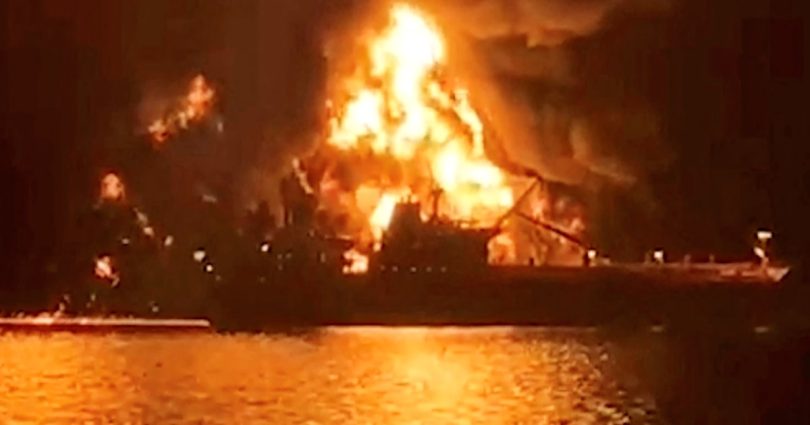
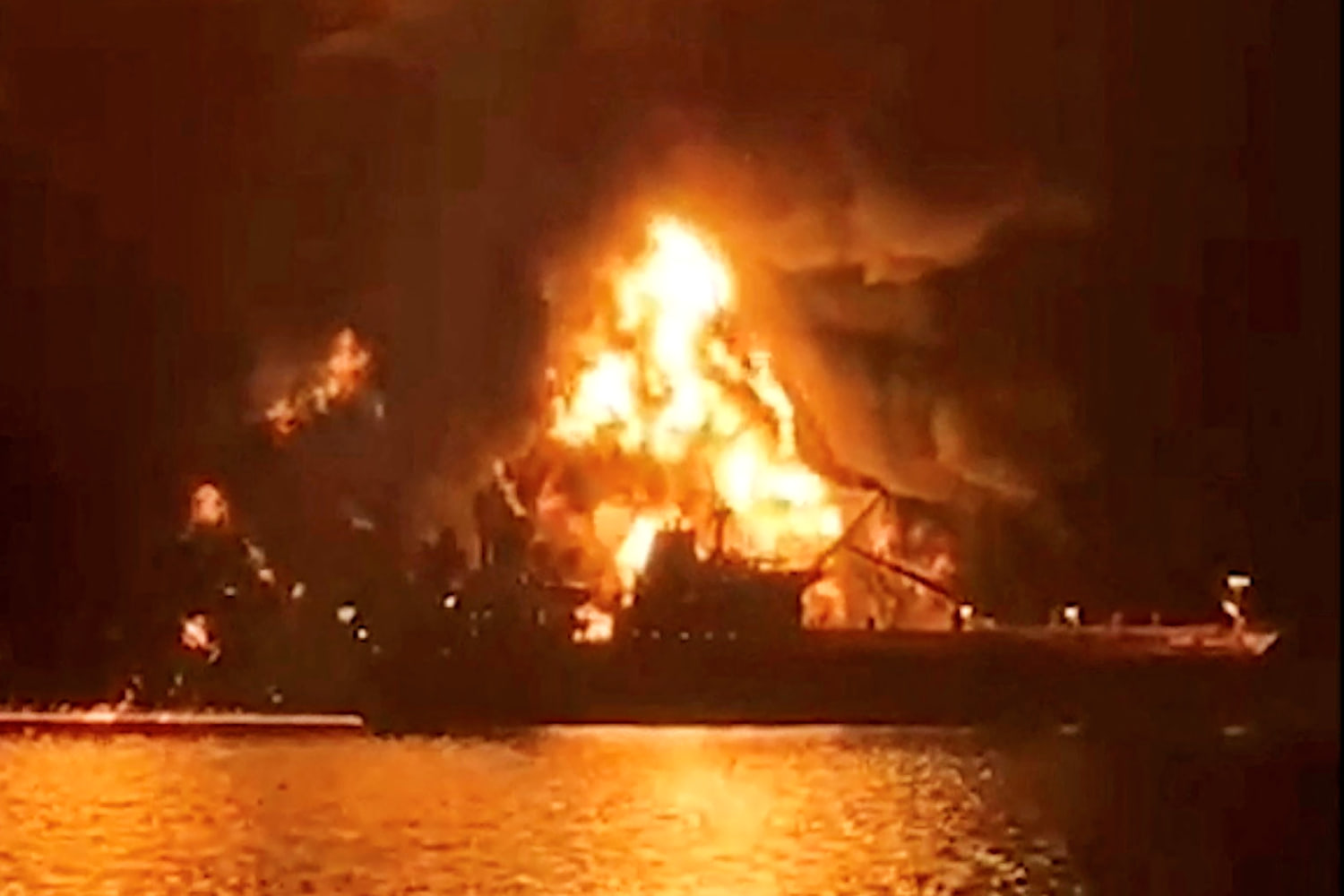
Overnight, a key terminal for oil exports in Oman was reportedly evacuated after tankers anchored off the coast of Iraq were attacked. Iraq also suspended operations at its oil terminals. Officials in Saudi Arabia, Dubai and Kuwait also reported multiple strikes and drone sightings.
The ongoing attacks have deepened fears that the war with Iran will be a protracted conflict and the Strait of Hormuz will remain closed for the foreseeable future, potentially leading to an energy supply crisis.
Typically, more than 20% of the world’s daily energy supply transits the Strait of Hormuz, but ship traffic has fallen to “a trickle,” the IEA said in its monthly oil market report.
“In the absence of a rapid resumption of shipping flows, supply losses are set to increase,” the agency added.
On Wednesday, the 32 countries that are members of the IEA agreed to release 400 million barrels of oil. That did little to immediately send market prices lower, though.
The U.S. Energy Dept. said it would release 172 million barrels as part of that overall release, but it would not start until next week and take 120 days to complete.
“Due to uncertainty around the duration of the largest oil supply shock on record and under our assumption that [Strait of Hormuz] flows remain low through March 20, oil prices are likely to trend higher over that period until the market gains confidence a lengthy disruption is unlikely,” said Goldman Sachs analysts in a note late Wednesday.
“We still think it’s likely that daily oil prices would exceed the 2008 peak if [Strait of Hormuz] flows were to remain depressed through March,” they added. In 2008, oil prices nearly reached $150 per barrel.
President Donald Trump appeared to downplay the impact rising oil prices has on consumers, writing on Truth Social Thursday, “When oil prices go up, we make a lot of money. BUT, of far greater interest and importance to me, as President, is stoping an evil Empire, Iran, from having Nuclear Weapons, and destroying the Middle East and, indeed, the World.”
Source link


